How Do GLP-1 Medications Work
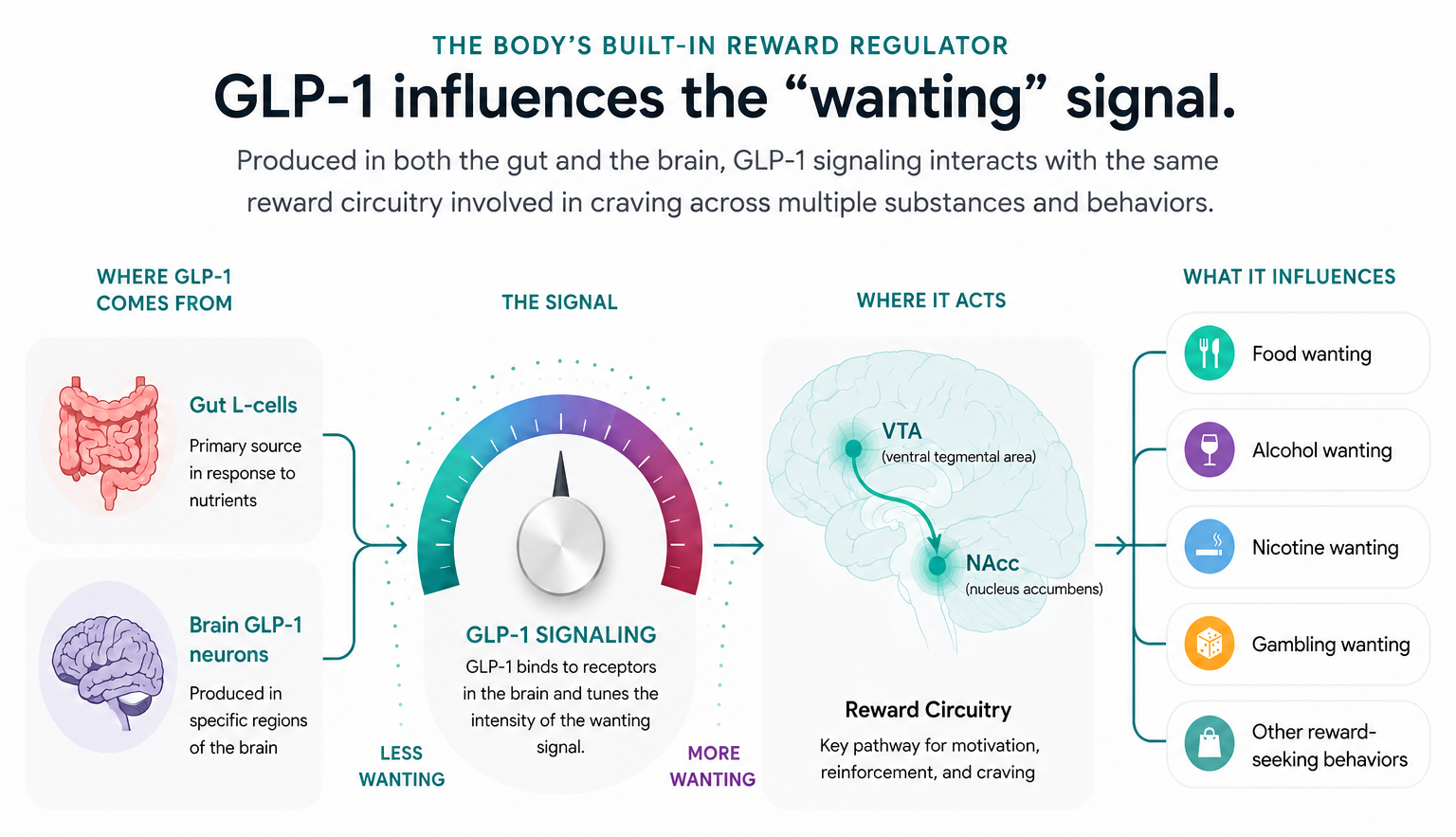
GLP-1 medications are similar to a natural hormone in our body that helps regulate:
Blood sugar
Appetite and satiety
Gastric emptying
Cravings and related behaviors
GLP-1 weight loss treatment often is not covered by insurance however the use of these medications for weight loss and other possible health benefits has been increasing in popularity with the availability of lower-cost compounded medication options.
Potential Health Benefits of GLP-1 Treatment
GLP-1 medications may benefit people who:
Have obesity or are overweight with metabolic disease
Struggle with emotional eating and have food cravings or binge eating tendencies
Have insulin resistance or prediabetes
Have PCOS/PMOS
Seek to decrease use of and cravings for substances like alcohol
Depending on the dose and individual response, one may experience:
Significant, sustained weight loss
Reduced appetite and earlier fullness
Decreased “food noise” and intrusive thoughts about eating and other cravings
Improvements in metabolic health markers
Importantly, these medications are not FDA-approved for all these conditions, however, clinical and preclinical research suggests they may be of benefit.
Medical Weight Loss and Craving Treatment with GLP-1 Therapy in Hood River, Oregon
Target appetite, cravings, and the brain’s reward pathways with a medically-guided GLP-1 program designed for sustainable change
GLP-1 medications offer a science-backed approach to weight loss by addressing the underlying biology of appetite, metabolism, and cravings—not just willpower. Dr. Decker works with patients to create a personalized plan using medications such as semaglutide and tirzepatide, tailored to your goals, physiology, and lifestyle. Importantly, we are not a “GLP-1 therapy clinic” that renders prescriptions without considering the whole person; our Oregon GLP-1 program includes personalized care and naturopathic recommendations with any GLP-1 treatment plan.
Clinical trials have shown average weight loss of approximately 15–21% of body weight with GLP-1 medications after approximately 70 weeks, depending on the medication and dose. Beyond weight loss, our approach focuses on reducing cravings and supporting meaningful, lasting behavioral change.
We recognize that not every patient pursuing GLP-1 therapy has the same goal. Some are primarily interested in improving metabolic health, reducing cravings, or quieting persistent food noise rather than achieving a specific weight. We prescribe medications including semaglutide (Ozempic®, Wegovy®) and tirzepatide (Mounjaro®, Zepbound®) or compounded versions when clinically appropriate.
Beyond Weight Loss: Cravings & Addiction
In addition to the ability of GLP-1s to decrease food noise, GLP-1 medications are increasingly being studied for their effects on addictive behaviors and the brain’s reward system. This may help reduce:
Food binging
Alcohol cravings
Nicotine use
Substance use including cocaine and methamphetamines
While research is ongoing in the realm of GLP-1s for addiction treatment, early clinical data and patient experience suggest these effects can be meaningful—especially when combined with structured medical support. The reduction in food noise and cravings has also prompted important conversations about how these medications fit within weight-neutral models of care, body acceptance, and Health at Every Size (HAES). Read our blog, GLP-1 Medications, Cravings, and Body Autonomy, to learn more about this evolving perspective.
Is a GLP-1 Medication Right for Me
You may be a candidate if you:
Are struggling with weight despite lifestyle efforts
Experience strong cravings or difficulty with appetite control
Are interested in a medically guided, structured approach
Eligibility is determined through a clinical evaluation and rigorous intake process. We also offer GLP-1 telemedicine in Oregon if you are not local to Hood River. If GLP-1 medications are not appropriate, we work with you to determine an alternate plan and approach to the changes you are seeking. Learn more about common contraindications at our GLP-1 FAQ blog.
What to Expect
Your program is designed to provide both structure and flexibility, including:
A personalized treatment plan
Medication selection and dosing guidance
Treatment options are injectables, sublingual liquids, and troches
Ongoing follow-up and clinical support
We also address:
Nutrition and eating patterns
Lifestyle and daily habits
Behavioral change and cravings
Underlying contributors such as sleep, stress, mental and gut health
A GLP-1 intake visit is 45 minutes and $175. Follow-up visits are 30 minutes and $125.
Follow-up visits are a key part of the program and are typically scheduled every 6–8 weeks to track progress and optimize your results.
During follow-up visits, we may:
Review laboratory results and metabolic markers
Discuss your response to the medication, including weight and appetite changes
Address any side effects and implement changes as needed to improve tolerability
Evaluate cravings, mental health, and behavioral progress
Support digestive health and manage any GI-related symptoms
Adjust dosing or treatment strategies as needed
Long-Term Approach
GLP-1 medications are most effective when used as part of a long-term strategy—not a quick fix. Because of this, we focus on:
Sustainable habits that last beyond medication
Creating meaningful behavioral changes
Gradual transition to maintenance
Learn More
Interested in learning more? Explore these related blog posts:
Work with Us
If you’re ready to take a structured, medically-supported approach to weight loss and cravings, we’re here to help.

FAQs About GLP-1 Weight Loss & Cravings Treatment
-
Clinical trials have shown average weight loss of approximately 15–21% of body weight over approximately 70 months, depending on the medication and dose. Individual results vary, but many patients begin noticing changes in appetite and weight within the first few weeks.
-
Many patients notice reduced appetite and fewer food cravings within the first 1–2 weeks. Weight loss typically becomes more noticeable over the first 2–3 months as dosing is gradually increased. Reduced cravings for other substances such as alcohol or nicotine may be seen within the first 1–3 months.
-
The most common side effects are gastrointestinal and may include nausea, diarrhea, or constipation. These are usually mild and improve over time. Careful dosing and appropriate treatment with natural or pharmaceutical anti-nausea medications or laxatives can help minimize side effects and improve tolerability.
-
Follow-up visits are typically scheduled every 6–8 weeks. These visits are used to monitor your progress, review labs if needed, adjust dosing, and address any side effects or changes in cravings, mental health, or digestion.
-
GLP-1 medications are most effective when used as part of a longer-term strategy. Some patients continue at a maintenance dose, while others transition off gradually. The goal is to support sustainable habits and long-term behavioral change.
-
No. While weight loss may be a primary goal for many, patients often are also interested in reducing cravings and improving their relationship with food. Emerging research suggests GLP-1 medications may also impact alcohol and other cravings.
-
Eligibility is determined through a clinical evaluation that reviews your health history, goals, and any contraindications. If GLP-1 medications are not appropriate, alternative options will be discussed.
-
Yes. This program is offered via telehealth, allowing you to receive care from home with ongoing medical support and follow-up.
-
This is not a one-size-fits-all program. Care is personalized and includes medical guidance, follow-up visits, and support for nutrition, lifestyle, and underlying contributors such as sleep, mental health, stress, and gut health.